“What does that next wave of leaders look like in your community?” Sheriffa Jones, Executive Director of the Spencer Chamber of Commerce and member of the Clay County Long Term Recovery Group in Spencer, Iowa reflects on the unique leadership challenges that presented themselves after the 2024 Floods.
On June 22, 2024, the Little Sioux River reached a record 22.2-foot crest height, inundating the Spencer, Iowa community and tragically claimed a life.
The floods impacted more than 2,000 individuals, displacing hundreds from their homes and closing businesses. Roughly 40% of the town’s structures were damaged, and as Sheriffa highlighted in an interview with local news on the first anniversary, “The damage is on the inside of properties, and it is on the inside of people too.”
We caught up with Sheriffa following a Sustaining the Supporters session with the Spencer community in October 2025. Sheriffa shared some of the community impacts and longer-term considerations 16 months into recovery.
She observes that those supporting the recovery had rarely taken the time to invest in themselves, much less process what they had been through as a result of both the floods and their support efforts.
“It’s been an ongoing conversation that we’ve had with other community leadership. We’re all helping other people, and we haven’t taken a step back yet to breathe.” “This was a piece we were missing – supporting and helping the people who had been in it since ground zero, day one.”
Fatigue and burnout start to present themselves when there’s little time to pause. But the result of finding space for reflection during the Sustaining the Supporters session was impactful.
“I wish I knew just how amazing it would be. I know it’s really hard for people to hit pause for a day and invest in themselves, their team, and organization in the way Jolie talks about. If we are not all coming to the table with our best selves or a better self, then we’re not serving our team or our organization as well either.”
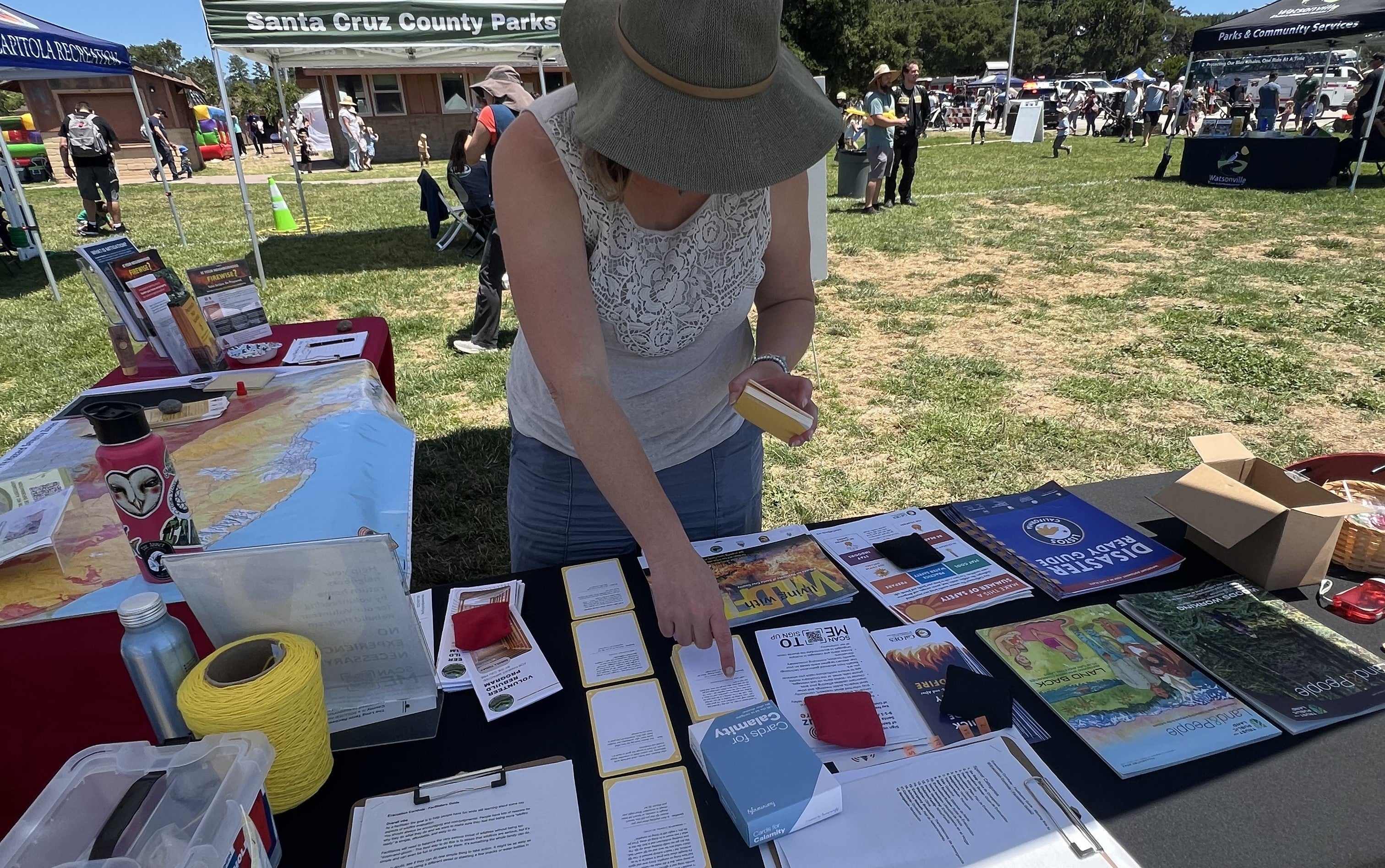
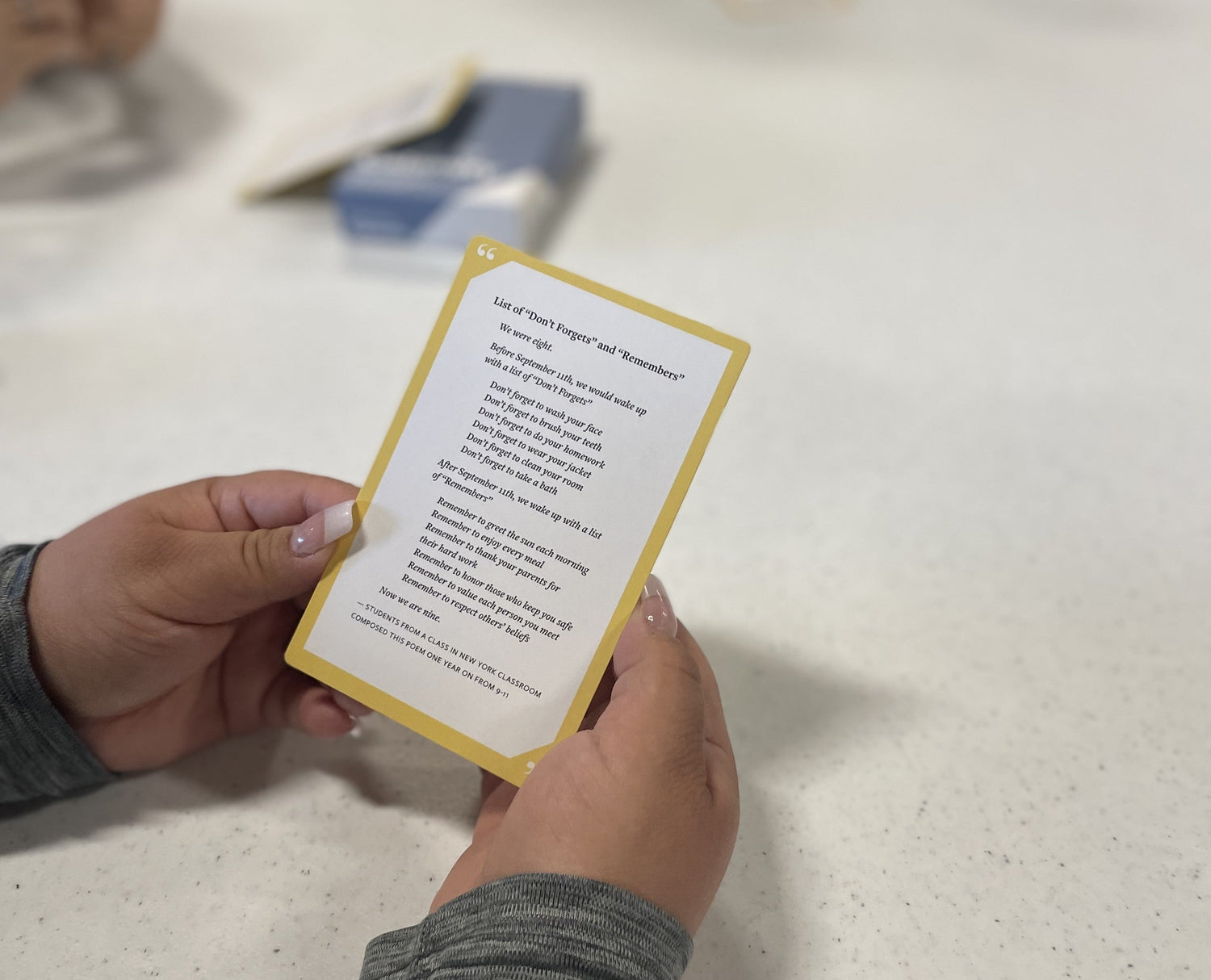
A Cards for Calamity workshop activity helped to find common ground among the group and gently draw out shared experiences, powerful, and necessary conversations.
“I think it’s one of those things that you don’t know how wonderful it is, how meaningful and healing, until you go through it. And I suppose it’s very similar to experiencing a disaster in a very intimate way.”

Sheriffa describes the recovery journey as a marathon mixed with a rollercoaster.
As you move farther from the disaster, your experiences change. She says that many of the Cards fit along different parts of the timeline, and something she or others could relate to six months ago, was now being experienced again. It’s not a linear process, but one that is ever changing and carried for far longer than most understand.
What was apparent, was that Sustaining the Supporters participants all had things in common, including the sense of weight they were carrying and many thinking up to that point that they had been alone in those feelings. But all had relatable experiences and emotions, and knowing these similarities extended beyond their community’s disaster, offered further sense of comfort around their individual journeys.
“It’s really pretty incredible that regardless of a type of a disaster, or maybe geographically where the disaster was located, at least 15 to 20 of the cards we read from, we could all relate.”
Sheriffa hopes that more people will have the chance to participate in these sessions.
“I think there’s many people in our community, and certainly our county, that could benefit from going through this type of activity.”
And when looking at equipping those community leaders, she sees this as a necessary tool.
“Whether other communities that have gone through disaster are in the process of working with Jolie, or haven’t yet met or gone through the session, or they’re debating whether or not to – this is an investment they want to make. It’s an investment that you need to make into people.”